
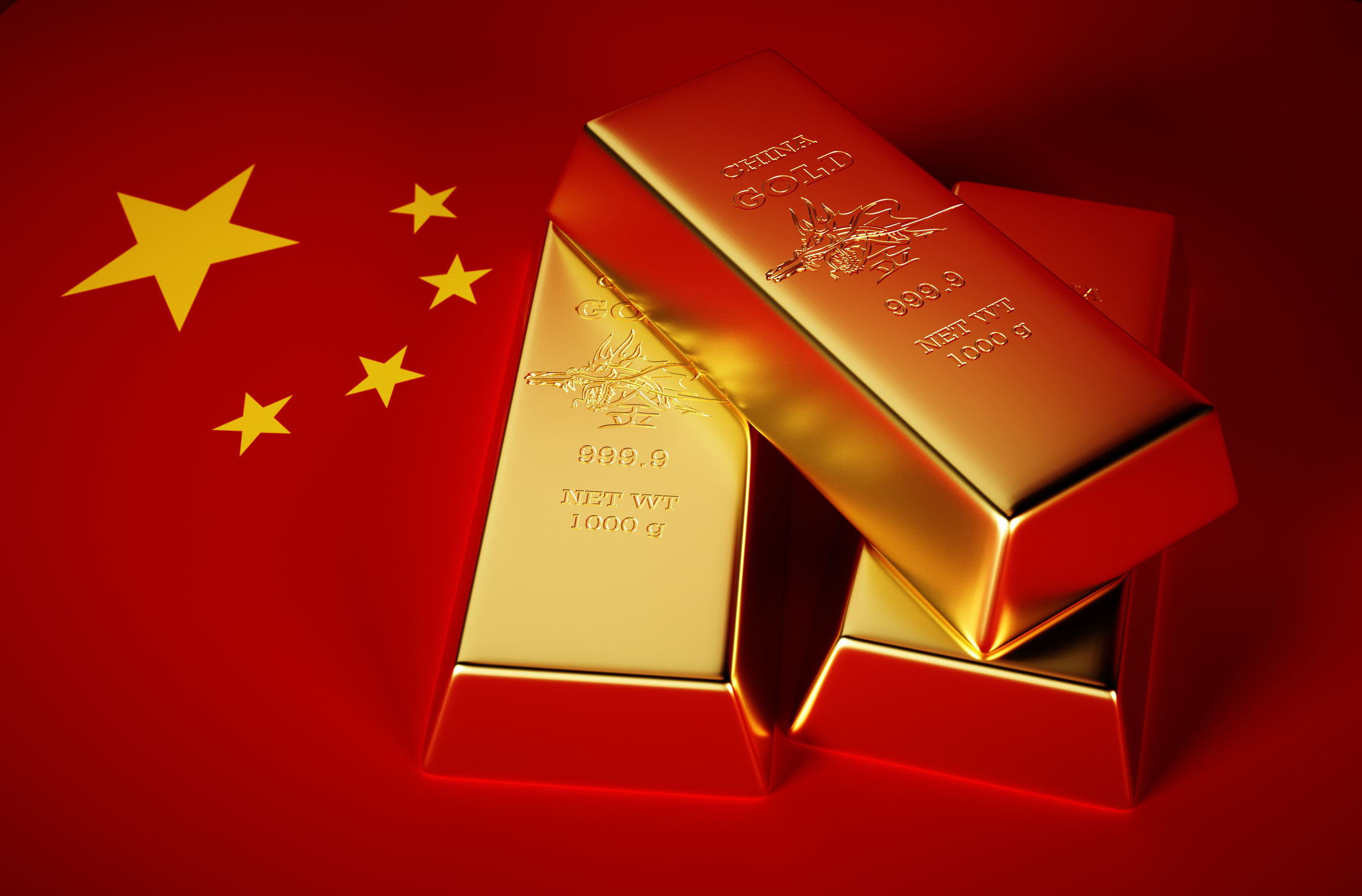
China's silent gold offensive and its consequences for global markets
The competition between shares and gold is a constant competition for attention and capital. This relationship remained stable for a long time, but the basis of the market is now shifting. The development is not taking place overnight, but through a steady and barely commented on movement that emanates from a single institution. The Chinese central bank has been buying large quantities of physical gold for months, thereby withdrawing substance from the market.
Analysts at Société Générale no longer see this development as a marginal issue. It is changing the structure of the market and creating a growing gap between the actual amount of metal available and the volumes of paper-backed trading. For investors, this imbalance is increasingly becoming a fundamental factor.
A purchase pattern that sets standards
For years, demand from central banks has been at a level that was previously only seen in exceptional situations. Around 1,000 tons of gold are added to the official reserves every year. This figure does not describe a short-term trend, but rather a permanent change in the approach to global reserve policy.
Purchases follow a clear pattern that extends over longer periods of time and does not react to short-term price movements.
China's long-term reserve policy
China is at the center of this development. Official data documents monthly purchases, but trade flows and external analyses indicate that the actual volumes could be significantly higher.
This restraint is part of a long-term strategy. The central bank is buying steadily without attracting much attention, thereby strengthening its reserves without putting unnecessary pressure on the market.
Gold fulfills various functions. It strengthens financial resilience, creates additional security in geopolitically tense phases and serves as a neutral anchor of value. This approach shows that gold has a place of long-term importance in China's reserve policy.
A global trend away from the US dollar
The development in China fits into a larger picture. Countries around the world are looking for ways to be less dependent on the US dollar. Reasons for this include the high American national debt and the increasing political use of the dollar system.
Gold is one of the preferred alternatives in this environment. It has no national origin, is free from political interests and has been regarded as a reliable building block for stable currency reserves for decades.
Physical supply and paper-backed markets are drifting apart
Société Générale points to a structural challenge arising from this development. The physical gold market is limited as it depends on mine production and recycling. The continuous purchases by central banks are withdrawing real quantities of metal from the market.
At the same time, the paper-backed market represents a multiple of the physical supply. This includes futures, exchange-traded products and other constructs that are linked to gold. This system functions stably as long as the demand for physical supply remains low. However, the ongoing withdrawal increases the pressure and shifts the balance between the two areas.
The risk of a short squeeze comes into focus
A short squeeze is not caused by rising prices alone, but by a loss of confidence in the ability of a market to deliver. When doubts arise and investors increasingly prefer physical metal instead of paper contracts, the only thing that matters is the quantity actually available.
The analysts at Société Générale see this as precisely the weak point. Even moderate demand from institutional investors for physical gold could noticeably reduce existing stocks. Traders who have bet on falling prices and need physical metal as a hedge would have to cover their positions. In a market with scarce reserves, this could trigger significant price movements that are not based on speculation but on structural necessity.
What this market phase means for long-term strategies
This leads to clear conclusions for investors. The stable purchases by central banks form a sustainable lower price corridor and reduce susceptibility to major downward movements.
Gold remains an effective element in the portfolio, especially in times of geopolitical uncertainty and fluctuating currency stability. It is important to regularly review your own allocation, particularly in relation to equity markets, whose risk premiums are currently subject to greater fluctuation.
Developments in recent months indicate that the balance between real assets and paper-backed investments could gradually shift.
A look at the coming years
Société Générale's analysis shows that the gold market has reached a structurally important point. Government buyers are shaping market dynamics more strongly than in previous years, physical supply is limited and the gap to paper-backed trading is widening.
It makes sense for investors to follow these developments closely and incorporate them into their own long-term strategy.